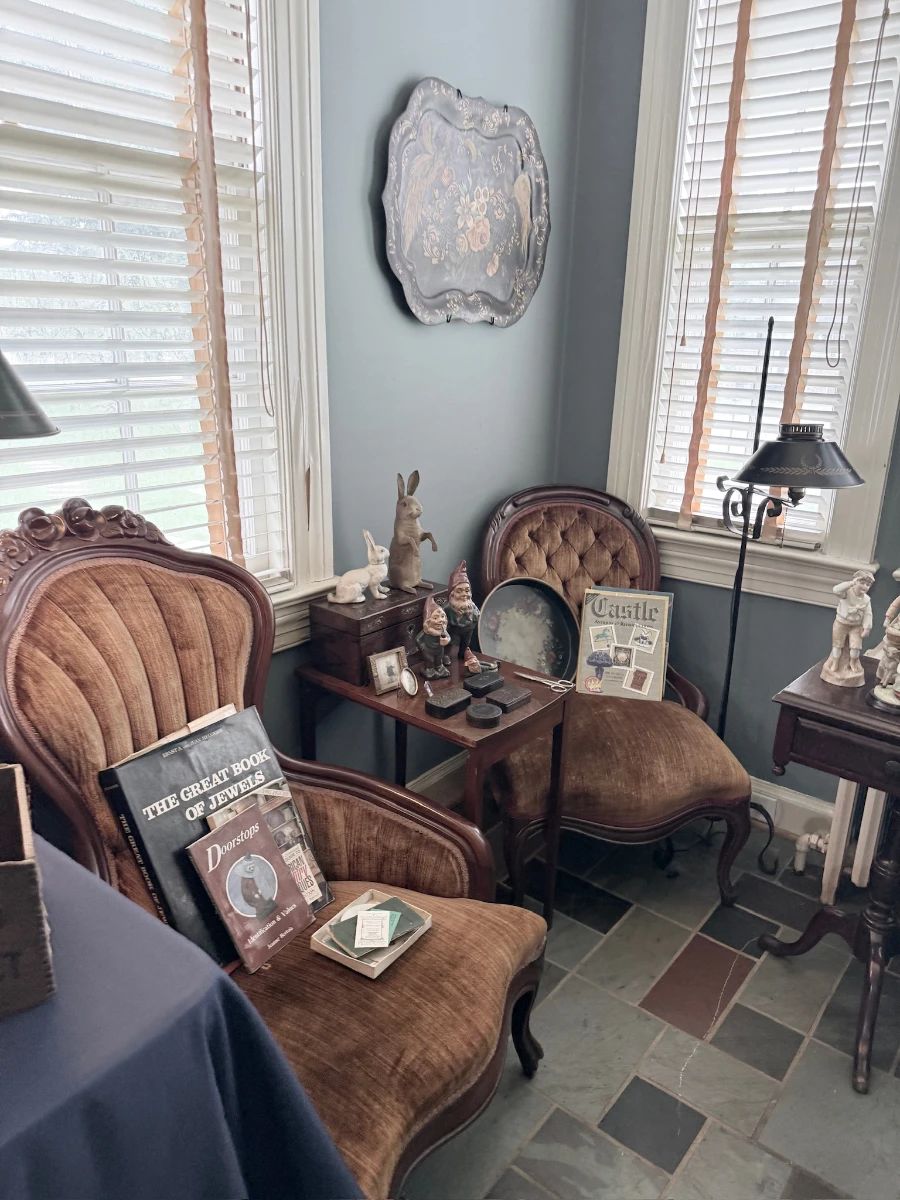

If you’re facing an estate sale in Nashville — whether you’re downsizing, settling an estate, or clearing out a home before a move — this guide walks you through every step of the process. Nashville’s estate sale market is active year-round, with a strong buyer community that regularly attends sales across Davidson, Williamson, and surrounding counties. With the right preparation and the right team, an estate sale is one of the most efficient ways to liquidate a home’s contents while maximizing what you receive.
Estate Greats has managed estate sales across Nashville, Franklin, Brentwood, Belle Meade, and Middle Tennessee. This guide reflects what actually works in this market — not just generic advice.
How to Have an Estate Sale: Step by Step
- Assess the Estate
- Choose a Professional Estate Sale Company
- Sort and Organize Items
- Appraise and Price Items
- Prepare the Property
- Market and Advertise the Sale
- Conduct the Sale
- Post-Sale Cleanup and Disposal
- Settle Finances
- Evaluate the Outcome
1. Assess the Estate
The first step is taking honest stock of what you have. Walk through the property room by room and note the volume, type, and general condition of items. You don’t need to know what everything is worth — that’s the job of your estate sale company — but you should have a clear picture of scale.
In Nashville, estates often include a mix of furniture, artwork, jewelry, vintage collectibles, tools, kitchen items, and outdoor equipment. Homes in Belle Meade and Green Hills frequently contain higher-end antiques and fine jewelry. Properties in Bellevue, Nolensville, and Brentwood tend to include a broader variety of everyday household goods alongside collectibles. Knowing what category your estate falls into helps you have a more productive first conversation with a potential company.
This is also the stage to identify anything you want to keep, give to family, or donate — before the estate sale company gets involved. Once staging begins, it becomes harder to pull items without disrupting the layout.
2. Choose a Professional Estate Sale Company
This is the most consequential decision you’ll make in the entire process. The right estate sale company handles everything — pricing, staging, marketing, staffing the sale, and clean-up. The wrong one leaves money on the table and creates headaches.
When evaluating companies in Nashville, look for:
- Verifiable reviews — Google and estatesales.net reviews from real clients in Middle Tennessee
- Certified appraisers on staff — important for estates with antiques, jewelry, or specialty items
- Commission-only pricing — no upfront fees; the company earns a percentage of total sales
- Marketing reach — does the company list on estatesales.net, promote on social media, and have an email list?
- Bonded and insured — protects you and your property throughout the process
Commission rates in Nashville typically run 30–40% of gross sales, depending on the size and complexity of the estate. Larger, higher-value estates may qualify for a lower rate. Never pay upfront.
For a deeper look at what to evaluate, see our guide: Estate Sale Tips: 9 Essential Strategies for a Successful Sale. And if you’re navigating this as part of settling a loved one’s estate, our Estate Sales After Loss guide addresses the emotional and practical side of the process.
3. Sort and Organize Items
Before the estate sale company arrives to stage, your job is to separate what’s staying from what’s going. This doesn’t mean organizing everything — that’s the company’s work — but it does mean removing personal documents, sentimental keepsakes, items being gifted to family, and anything not for sale.
Common categories to decide on in advance:
- Financial documents, legal papers, passports, and personal records
- Prescription medications (dispose of properly — Nashville has medication drop boxes at most CVS and Walgreens locations)
- Items with significant sentimental or family value
- Any items promised to specific people
If the estate is part of a probate or involves multiple family members, having a written agreement about what’s been reserved before the sale begins prevents disputes. See our guide on managing an estate sale when siblings disagree for specific guidance on navigating shared decision-making.
4. Appraise and Price Items
Professional estate sale companies research and price every item before the sale opens. They use a combination of current market data, recent comparable sales, and appraiser expertise. Good pricing does two things: it attracts serious buyers and prevents items from being undersold.
Nashville’s estate sale buyer market is sophisticated. Regular attendees research before they arrive and know what antiques, vintage furniture, and jewelry are worth. Underpriced items sell immediately to dealers; overpriced items sit. The right price is one that generates competition, not a quick grab.
If your estate includes particularly valuable items — estate jewelry, fine art, antique firearms, or rare collectibles — confirm that the company has a certified appraiser on staff or access to one. Estate Greats has multiple certified appraisers and uses current market comps to price every category accurately.
5. Prepare the Property for the Sale
Your estate sale company will stage the home to maximize visibility and buyer flow. This typically involves:
- Cleaning and organizing all rooms
- Setting up display tables for small items, jewelry, and collectibles
- Arranging furniture to create clear pathways
- Labeling and pricing every item
- Securing valuables in designated display cases
You don’t need to clean or organize before they arrive — in fact, a deep clean can accidentally discard items of value. Let the professionals handle the space. Your job is to ensure the property is accessible and that utilities (electricity, climate control) are working.
6. Market and Advertise the Sale
Marketing is what separates a well-attended sale from a quiet one. In Nashville, effective estate sale marketing uses multiple channels simultaneously:
- EstateSales.net — the primary platform Nashville buyers use to find upcoming sales; a listing here with high-quality photos drives significant traffic
- Social media — Instagram and Facebook preview posts of featured items generate early interest and shares
- Email lists — companies with established buyer email lists can notify hundreds of local collectors and dealers directly
- Directional signage — physical signs in the neighborhood on sale days drive walk-in traffic
Nashville’s estate sale community is active and engaged. Sales in desirable neighborhoods — Belle Meade, Green Hills, 12 South, Brentwood — often draw 100–200+ attendees over a weekend. The right marketing means the right buyers show up, not just anyone looking for a bargain.
7. Conduct the Sale
Most Nashville estate sales run Friday–Sunday, with Friday being the highest-traffic day. First-admission lines often form before the doors open, particularly for sales with antiques or specialty items.
Your estate sale company handles everything on sale days: staffing, checkout, buyer questions, security, and cash handling. You don’t need to be present — and in many cases, it’s better if you aren’t. The presence of a family member can slow transactions and create emotional friction.
By late Sunday, most companies will offer a discount on remaining items (typically 25–50% off) to reduce post-sale inventory. This is standard practice and helps clear the estate more efficiently.
8. Post-Sale Cleanup and Disposal
When the sale ends, there will be unsold items. Your company should walk through the options with you: donation to local charities, consignment for higher-value pieces that didn’t sell, pickup by a junk removal service, or leaving items for the new owners if the property is being sold.
Estate Greats coordinates post-sale clean-out services and can help arrange donations, haul-away, and final property sweep. See our estate clean-out services for details.
If you’re planning to list the property after the sale, a clean-out leaves the home staged for real estate photography. Many Nashville families coordinate their estate sale and property listing on back-to-back timelines.
9. Settle Finances and Close the Estate
Within a few days of the sale closing, your estate sale company should provide a full financial report: total gross sales, itemized deductions (company commission, any agreed fees), and net proceeds. Reputable companies provide this within 3–5 business days and issue payment promptly.
Keep this documentation if the estate is going through probate — the executor will need a record of the liquidation proceeds for the estate accounting. For information on the tax implications of estate sale proceeds, see our post on estate sales and the stepped-up basis.
10. Evaluate the Outcome
After the sale, take stock of how it went. Did items sell at or near expected prices? Were there categories that underperformed? Was the buyer traffic strong? Reviewing the sale — even informally — gives you useful context if you ever manage another estate sale in the future, and gives your company feedback to improve.
When Is the Best Time to Have an Estate Sale in Nashville?
Nashville estate sales perform well nearly year-round, but certain windows outperform others:
- Spring (March–May) is the strongest season. Buyers are active, the weather is cooperative for browsing, and the real estate market is moving — meaning more people are clearing homes before listing them.
- Fall (September–November) is a close second, particularly October. Cooler weather and strong buyer turnout make this an excellent window.
- Summer (June–August) sees slightly lower attendance due to heat and vacation schedules, but well-marketed sales in good neighborhoods still draw strong crowds.
- Winter (December–February) is the slowest period, particularly the holiday weeks in December. January and February sales can still perform well if marketed correctly, but expect lighter opening-day traffic.
If you have flexibility on timing, aim for late March through May or October. If you don’t have flexibility, a well-marketed sale in any season will still outperform DIY alternatives.
Frequently Asked Questions About Estate Sales in Nashville
How much does a Nashville estate sale company charge?
Most Nashville estate sale companies charge a commission of 30–40% of gross sales. The rate varies based on the size of the estate, the expected total sales value, and how much prep work is required. There are no upfront fees with reputable companies — the company earns only when your items sell.
Do I need to be present during the estate sale?
No, and in most cases it’s better if you’re not. Your estate sale company manages all aspects of the sale, including staffing, buyer questions, checkout, and security. Family presence can slow transactions and create emotionally difficult moments. You’ll receive a full report and payment after the sale closes.
What happens to items that don’t sell?
Unsold items are handled in the post-sale wrap-up. Options include donation to Nashville-area charities, consignment for higher-value pieces, pickup by a junk removal service, or disposal. Your estate sale company will walk through the options with you before the sale begins so there are no surprises at the end.
How long does an estate sale take from start to finish?
The full timeline — from initial consultation to final payment — is typically 3–6 weeks. Setup takes 2–5 days depending on estate size. The sale itself runs 2–3 days. Clean-up and financial settlement add another week. If you’re on a tight timeline due to a property closing, communicate that upfront so the company can prioritize accordingly.
Can I have an estate sale if I’ve already moved out?
Yes. Many Nashville families conduct estate sales after the occupant has moved to a care facility, relocated, or passed away. The home doesn’t need to be occupied during the sale. You just need to ensure utilities remain on and the company has access to the property.
What’s the difference between an estate sale and a garage sale?
An estate sale is a professionally managed liquidation of a home’s full contents — typically an entire property’s worth of items across multiple rooms. A garage sale is informal and usually covers a fraction of a home’s contents. Estate sales attract dealers, collectors, and serious buyers who are willing to pay fair market prices. A garage sale attracts bargain shoppers. For a full estate, the professional sale will almost always net significantly more.
Ready to Get Started?
Estate Greats manages professional estate sales across Nashville, Franklin, Brentwood, Belle Meade, Bellevue, and all of Middle Tennessee — with no upfront fees, certified appraisers on staff, and a full-service approach from the first walkthrough to the final clean-out.
Schedule your free consultation and we’ll walk through your situation, assess the estate, and put together a plan that fits your timeline.
Free Estate Value Estimate
Wondering what your estate could be worth?
Answer a few quick questions about your home and belongings, and we will put together a personalized value estimate with market insights and expert tips — free, no obligation, and yours to keep.
Get Your Free Estimate