
A practical guide for Nashville families
Downsizing With an Estate Sale
Decide what goes to the next home, what stays with family, and what can be sold. Estate Greats handles the sale from evaluation through reporting.
Start with clear responsibilities
Know what the sale team handles
Downsizing may mean leaving a longtime home, moving to a smaller space, or helping a parent reduce belongings. The first useful step is deciding what the household will keep. Estate Greats can then evaluate what remains as one sale.
Do not organize, donate, or discard everything before the consultation. Seeing the full household helps us recommend an in-home or offsite sale and identify items that deserve closer research.
Who handles what
A clear division of responsibilities
One team runs the sale. The family stays in charge of the move and personal decisions.
Estate Greats
- Evaluate the household and sale format
- Research, price, and stage the inventory
- Photograph and market the sale
- Run checkout and provide seller reporting
Your family and other providers
- Choose the next home
- Decide what moves or stays with family
- Arrange packing and movers
- Manage any wider relocation services
Not sure whether a sale fits your household?
Tell us about the homeBefore the walkthrough
Make the family decisions first
You do not need a final answer for every object. A few clear boundaries are enough to begin.
If you are downsizing your own home
Plan for the next space
Measure the rooms, identify what you use, and decide which belongings deserve the available space.
- Keep: moving to the next home
- Family: promised or offered to relatives
- Sell: available for the estate sale
- Decide later: one small, contained group
If you are helping a parent
Ask smaller questions
Ask what your parent uses, wants in the next space, or has promised. “Which two sets of dishes do you want?” is easier to answer than “What do you want from the kitchen?”
Choose one family contact for the estate sale company. Remove personal papers, photographs, medications, identification, keys, and private devices early.
What Estate Greats does
One managed sale from start to finish
We treat the household as one retail project, with the same team responsible for preparation, sale days, and reporting.
Evaluate
Walk the full property, discuss the deadline, and compare in-home and offsite options.
Prepare
Research, price, stage, photograph, and market the approved inventory.
Run the sale
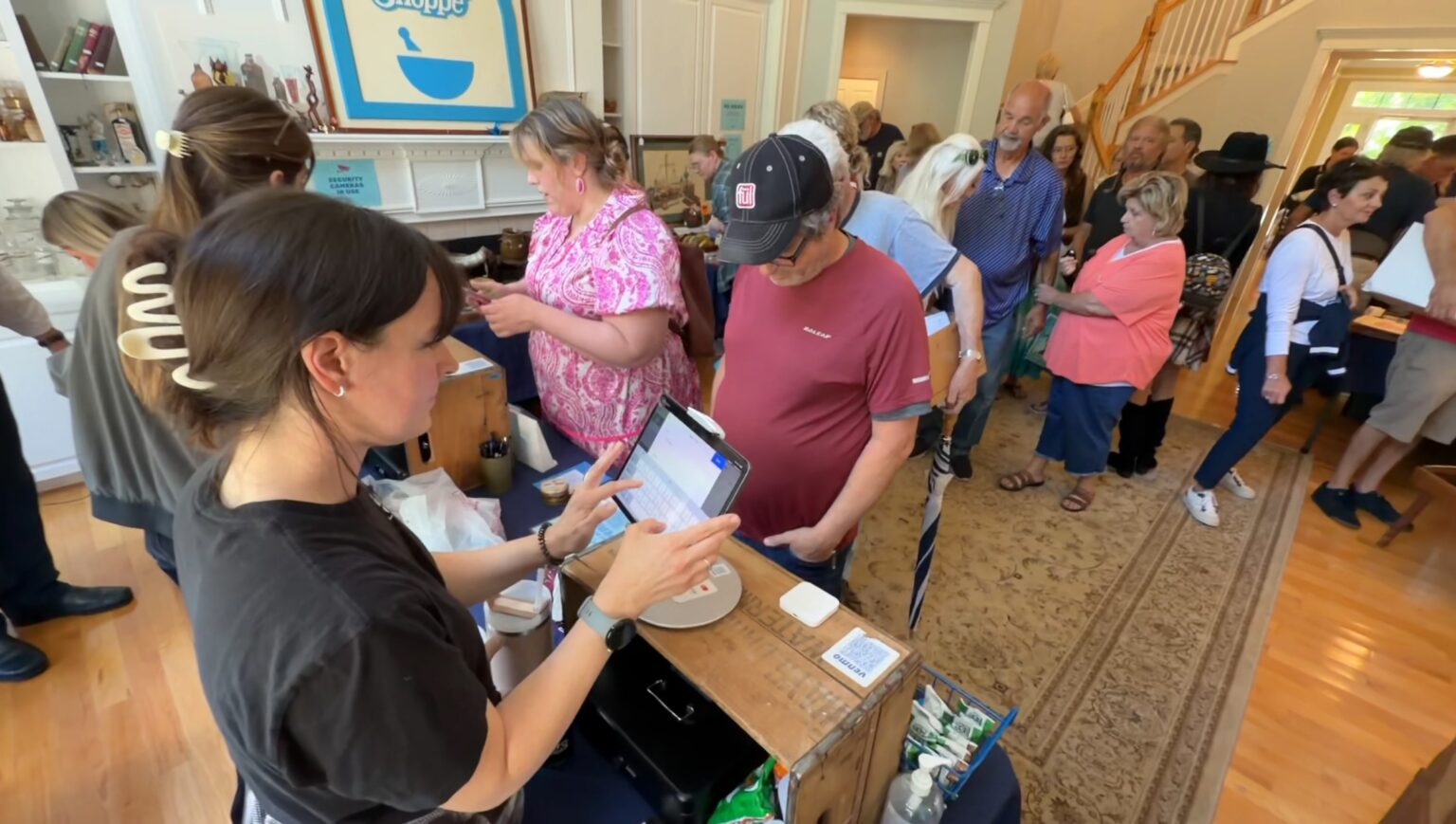
Manage entry, buyer questions, transactions, staffing, and the agreed discount schedule.
Close out
Provide the seller report and payment, then follow the plan for anything left after the sale.
Work backward from the property deadline
A simple way to plan the transition
If the deadline is closer, call anyway. The consultation will show which options remain practical.
First
Set the destination and deadline
Confirm the move, listing, closing, or occupancy date. Measure the next home and set a response deadline for family decisions.
Before clearing the home
Schedule the consultation
Let the sale team review the full property before large donations or cleanouts. Discuss access, parking, HOA rules, and sale format.
After the agreement
Separate what will not be sold
Remove keep and family items from the sale areas. The team can then prepare the remaining inventory without confusion.
Sale and closeout
Let one team finish the work
Estate Greats runs the event, reports the results, and follows the agreed remaining-item plan.
Related articles
More help for your situation
These links go deeper on family decisions, senior moves, and estate sale timing.
Choose the right format
In-home or offsite estate sale?
The consultation considers inventory, access, parking, privacy, security, and the property deadline.

In-home
Keep the collection in place
A complete household can be staged in context when the property supports public access, parking, staffing, and the sale schedule.
Offsite in Berry Hill
Move the sale, not the family
Offsite may fit when the home is listed, sold, occupied, private, restricted, or otherwise unsuitable for a public event.
Learn about offsite estate sales →Protect your options
Before the consultation
- Do not discard items because they look dated, dusty, or ordinary.
- Do not make large donation runs before the household is reviewed.
- Do not promise the same item to several relatives.
- Remove personal documents, medications, firearms, keys, photographs, and private devices from the sale inventory.
- Ask for a written commission, fee, security, reporting, and remaining-item plan.
For a deeper comparison, use these questions to ask an estate sale company.
The home does not need to be organized first
Start with a free consultation
Show us the household, the deadline, what the family plans to keep, and any property limits. We will explain whether a sale is practical and which format fits.